If you’ve ever scrolled past a polished brand ad and then stopped on a shaky video of a stranger actually using the product, you already understand why user-generated content works. It feels different. You trust it a little more, maybe without even knowing why.
This article walks through ten user-generated content examples from brands you probably recognize, and a few things you can borrow from each. Some are huge, almost intimidating campaigns. Others are surprisingly simple. I’d say the simple ones are often the more useful to study, but you can decide that for yourself.
What Is User-Generated Content (UGC)?
User-generated content, or UGC, is any content created by your customers or fans instead of by your brand: photos, videos, reviews, hashtag posts, product ideas, even parody skits. Your audience makes it, and your brand usually curates, shares, or builds on it.
The part that matters is that it’s voluntary and, for the most part, unscripted. That’s where the credibility comes from. When a real person says a product is good, you tend to believe them more than you believe the company selling it.
Why UGC Matters for Your Brand
You could probably list most of the benefits already, but they’re worth stating plainly.
First, it builds trust. People are skeptical of ads, and honestly, you probably are too. Second, it’s cost effective, since your audience is producing a large share of the content for you. Third, it works as social proof, showing prospective customers that other real people chose this product and liked it. And fourth, it creates community, which is harder to measure but arguably the most valuable result of the four.
None of this is automatic, though. A UGC campaign needs a reason for people to participate, and that reason is what separates the ten examples below from the many campaigns nobody remembers.
Ten Best Examples of User-Generated Content (UGC) Campaigns
1. Apple’s #ShotoniPhone
Apple isn’t a brand you’d expect to lean on customers for its marketing. It’s famously controlled, polished, almost obsessive about presentation. So it’s interesting that one of its longest-running campaigns hands the spotlight to ordinary iPhone owners.
#ShotoniPhone began in the mid-2010s (most sources say 2015, though your notes say 2014) with a simple goal: show what the iPhone camera could do, and quiet the idea that it wasn’t a serious camera.
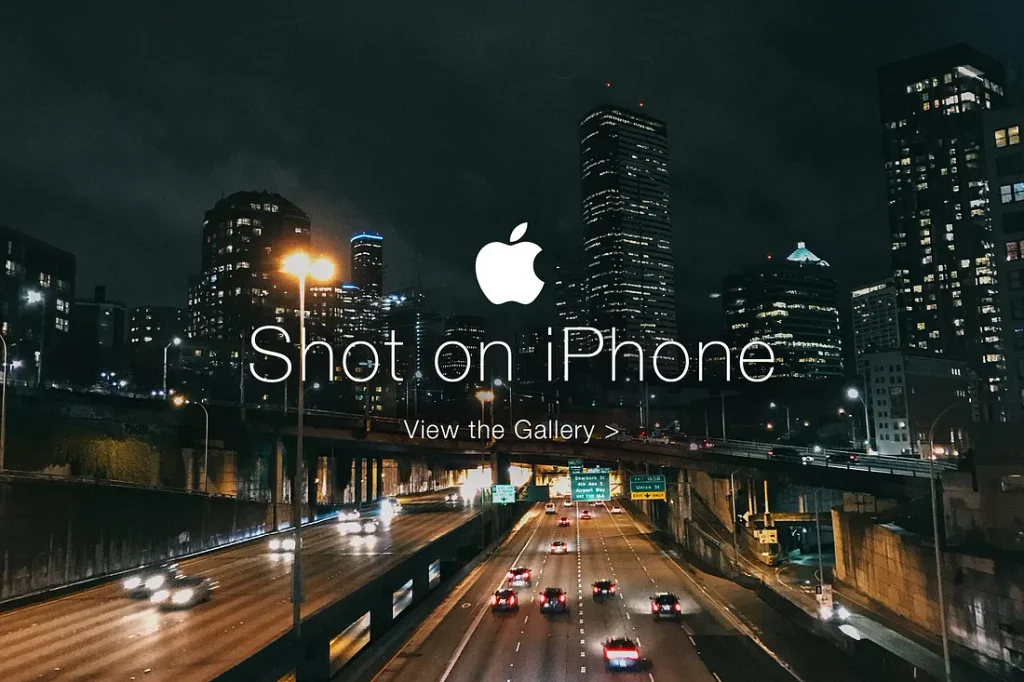
Apple picked the best photos taken by real users and put them on billboards, in print ads, on social media, and on product pages around the world. It kept the format consistent, a great photo with a small “Shot on iPhone” credit and the photographer’s name. That small credit matters more than you’d think. It tells you the person behind the image is real and gets recognition.
The campaign didn’t stay a one-off, either. Apple later added the annual Shot on iPhone Challenge, where users submit photos around a theme such as night mode or macro, and winners are featured on Apple’s channels. More recently, the company has applied the same idea to film, producing promotional videos shot entirely on the iPhone. So the original UGC idea gradually grew into a broader proof-of-quality message.
Worth knowing: Apple generally works with the photographers it features, usually licensing the work instead of just lifting it from social feeds. That’s a model you might want to copy, because it keeps creators on your side.
What you can take from it: Let your customers’ work demonstrate your product. It’s more convincing than a feature list, and crediting the creator by name turns a simple ad into recognition people want.
2. LEGO’s UGC Ideas
LEGO is the example you could probably study for a week and still find new angles. The company has been around since the 1930s, and its fan community, including the adult fans of LEGO (AFOLs), has been unusually active for decades. LEGO Ideas is basically a structured way to harness all that energy.

The platform started out in Japan in 2008 under a different name (LEGO CUUSOO) and was rebranded as LEGO Ideas around 2014. The mechanics are straightforward. Fans upload a model with photos and a description, and others vote for it. At 10,000 supporters, the project goes to a LEGO review, where designers and product specialists consider whether it’s feasible, safe, and a good fit for the brand. Reviews happen in rounds through the year, so there’s a rhythm to it.
The part that makes this more than a gimmick is the reward. If a set is approved, the original creator is credited and receives a share of the sales, generally reported as 1% of net revenue. Then there’s the quality of the results. Sets that came from fans, such as Women of NASA, have become real commercial products, and I’d argue they carry extra weight with buyers because the story behind each set is a person, not a design department.
Worth knowing: not every popular idea makes it. Some are rejected for licensing or production reasons, and the community seems to accept that, partly because the process is transparent.
What you can take from it: UGC doesn’t have to stop at photos and videos. If you can let your audience shape what you make, even in a limited way, you give them a much deeper reason to care. A clear threshold and a real reward help a lot.
3. Duolingo’s #DuolingoChallenge
Duolingo is a good case study in brand personality. The company’s green owl mascot, Duo, has become something of a social media character, and that’s central to understanding why its UGC-style campaigns work.
On TikTok and other platforms, Duolingo adopted a deliberately silly, slightly chaotic voice. Duo shows up in memes, skits, and trends, and the brand tends to play along with jokes its audience makes about it, like the owl’s persistent reminders to practice. That willingness to be teased is a big deal. Plenty of brands want fans to joke about them, but few are relaxed enough to join in.
The #DuolingoChallenge campaign fits into that picture. Duolingo worked with influencers and creators to make comedic videos that showed off features of the app, and the hashtag gave everyone else a way to jump in with their own versions. The humor did a particular job here. Language learning can feel intimidating, and a lot of people abandon it because they’re embarrassed about getting things wrong. Comedy takes the pressure off.
Worth knowing: Duolingo’s approach shows that UGC and brand-created content often feed each other. The brand’s own funny posts inspire fan content, and the fan content gives the brand more material to respond to.
What you can take from it: If your product feels like work, a bit of humor can lower the barrier. A challenge format gives people an easy template to follow, and a mascot or recognizable character gives them something to riff on.
4. GoPro’s #GoPro
GoPro was founded by Nick Woodman, who originally wanted a way to capture his own surfing, and that origin story explains almost everything about the company’s content strategy. The product exists to record exciting moments, so the content shows up on its own.

Because of that, GoPro has treated its customers as its production team for years. The brand’s YouTube channel and social accounts are filled with clips from real users: surfers, skydivers, mountain bikers, and people doing things you probably wouldn’t try. According to Hootsuite’s UGC guide, the top three user-submitted videos have over 420 million combined views, which is a remarkable figure for footage the company didn’t shoot.
Where GoPro gets more strategic is in how it keeps contributors motivated. The GoPro Awards program has offered payouts and recognition for the best submissions, and the brand has run recurring challenges and events that give people a reason to keep uploading. It also uses hashtags like #GoPro, which make it easy to discover new content without constant outreach.
Worth knowing: GoPro essentially blurs the line between a hardware company and a media company. Its marketing is also its product demonstration, which is a tidy trick if your product creates shareable moments.
What you can take from it: If your product naturally produces shareable moments, build the whole content strategy around collecting and showcasing them. Rewards, whether cash, prizes, or just prominent features, help sustain it over the long run.
5. ASOS and #AsSeenOnMe
ASOS is a UK-based online fashion retailer that started in 2000, and the name originally stood for “As Seen on Screen,” since the first products were inspired by celebrity looks. It has no physical stores to speak of, so everything it does has to work through a screen, which makes its focus on UGC feel less like a choice and more like a necessity.
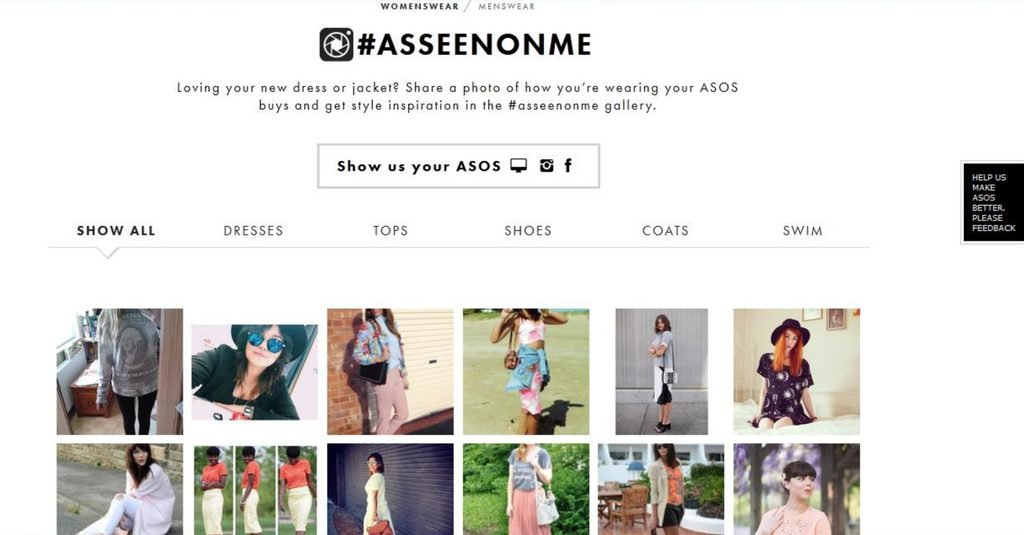
The central problem for any online clothing retailer is that shoppers can’t try things on. They rely on a handful of studio photos that tend to show one body type and one flattering angle. ASOS’s “As Seen on Me” feature responds to that directly. Customers post photos wearing ASOS items with #AsSeenOnMe, and the best ones are surfaced right on the product pages, so you can see the same item on different heights, sizes, and styles.
That changes the shopping experience in a quiet but important way. It also makes the brand seem more inclusive without having to announce it. ASOS has also worked with a wider community of fashion fans and influencers through programs like ASOS Insiders, which gives the platform a steady supply of content alongside ordinary customers’ posts.
Worth knowing: because the photos appear where the purchase decision happens, this is one of the few UGC examples where the link to sales is fairly easy to imagine, and to measure.
What you can take from it: Don’t leave UGC only on social media. Putting it where buying decisions happen, like product pages, can have a more direct effect on conversions. Showing variety, in this case body types, also builds trust.
6. Heinz’s “Heinz vs. Everyone”
Heinz is a heritage brand with more than 150 years behind it, and it holds the sort of market position that most companies would be happy to just protect. So its approach to humor-driven social campaigns is a little surprising, even a bit risky.
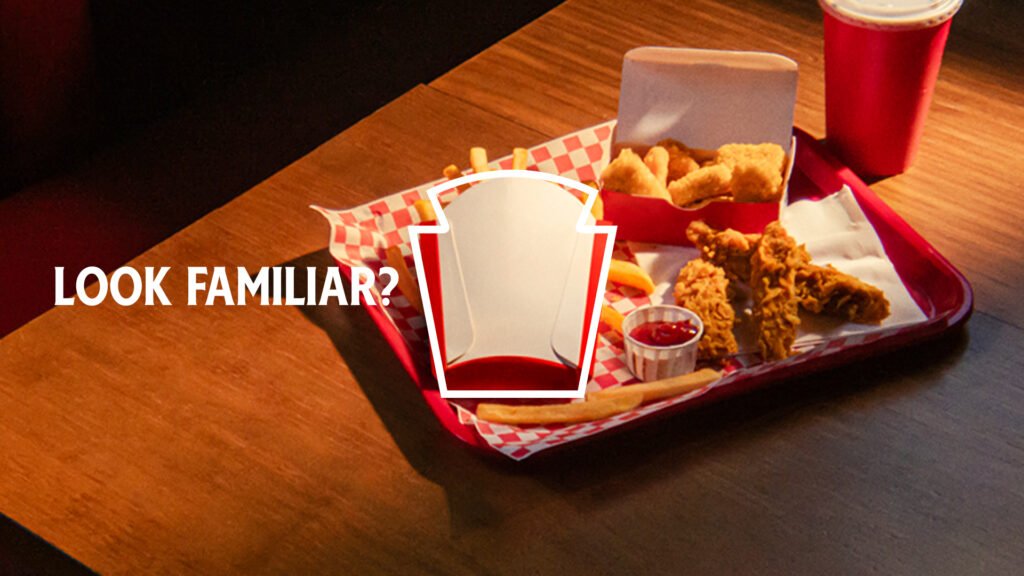
The brand has a record of playful, attention-grabbing marketing. One well-known example is its “Draw Ketchup” experiment, where people were asked to draw a bottle of ketchup and the great majority drew a Heinz bottle, which Heinz used as proof of how deeply the brand sits in people’s minds. That kind of creative thinking carries into “Heinz vs. Everyone,” which centered on TikTok skits poking fun at off-brand ketchup.
The campaign’s strength is the framing. A “versus” setup gives people something to take a side on, and parody is an easy format to join, since you don’t need special equipment or skill, just an opinion and a sense of humor. Everyday users responded with their own skits and personal stories about ketchup loyalty. According to Cool Nerds Marketing, it produced millions of views and a significant lift in brand mentions.
Worth knowing: it’s a good reminder that an established brand can use UGC to stay culturally relevant, not just to get discovered. Staying fresh is its own challenge when everybody already knows who you are.
What you can take from it: A playful, opinionated premise invites participation. If you can make a campaign fun to take part in, and a bit tongue-in-cheek about your own category, people will make content for you.
7. Fenty Beauty
Fenty Beauty, founded by Rihanna, launched in 2017 with a foundation range of 40 shades, a big move at a time when many beauty brands offered far fewer options for deeper skin tones. That launch made inclusivity part of the brand’s identity from day one, and it set the stage for how the brand approaches community content.
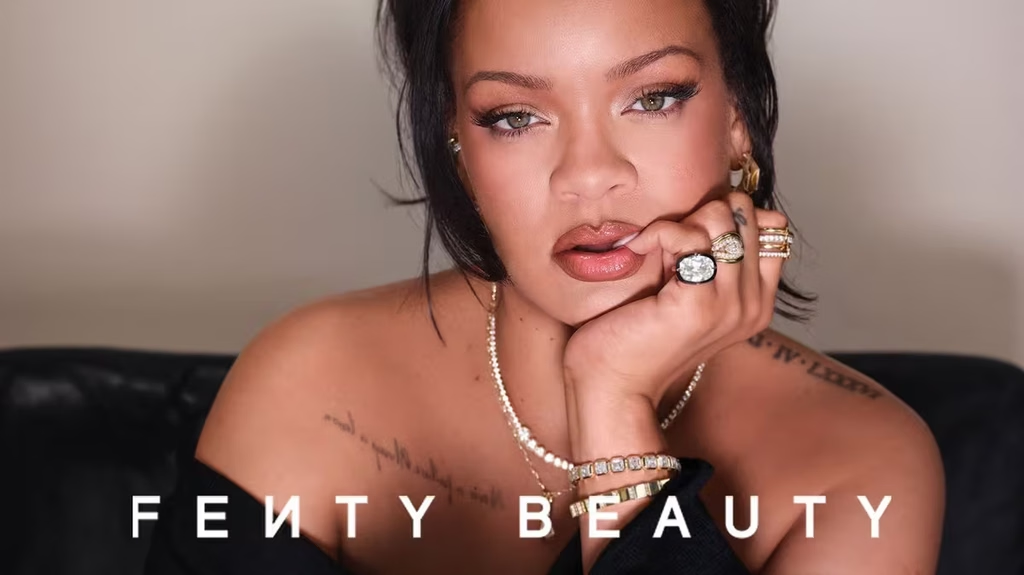
Fenty’s UGC strategy leans heavily on smaller creators. The brand sends products to micro-influencers and everyday fans, and generally doesn’t script what they say. It then features that content across its own social accounts and on its platforms. Branded hashtags and “Fenty Face” style posts help gather the content in one place.
The effect is that the brand’s feed doesn’t look like a typical beauty feed. You see a wide range of skin tones, ages, and levels of makeup skill, instead of a narrow set of flawless-looking models. For a brand built around inclusion, that visual diversity isn’t a bonus; it’s the proof.
Worth knowing: unscripted content carries some risk, since you don’t control the message. Fenty seems to treat that as a reasonable trade for credibility, and the product’s range makes the content more convincing in the first place.
What you can take from it: You don’t always need large influencers. Smaller creators with creative freedom can feel more believable, and UGC works best when it reflects the values your brand claims to have.
8. Pepsi’s #ThirstyForMore
Pepsi has spent decades building its identity around pop culture, from celebrity endorsements to music partnerships and a long run sponsoring major entertainment events. Its famous “Pepsi Challenge” blind taste test goes back to the 1970s, which is a reminder that asking ordinary people to participate isn’t a new move for the brand.
The 2025 #ThirstyForMore campaign tries to reach Gen Z on their own terms. Instead of relying on traditional ads, Pepsi partnered with creators in music, gaming, and fashion three areas where younger audiences spend a lot of time and where each community has its own style. According to Cool Nerds Marketing, the campaign generated billions of TikTok views. New customers responded with organic posts that felt native to each platform.
That last detail deserves attention. Content that looks like a repurposed TV spot gets ignored fast, while content that matches the platform’s habits tends to blend in and get shared. Pepsi’s choice to work across different creator communities, instead of one single approach, probably helped with that.
Worth knowing: at this scale, monitoring is a serious task. Following mentions, sentiment, and top-performing posts across millions of videos requires proper social media monitoring tools, and it’s much easier to plan for that from the start.
What you can take from it: Choose creators from the communities your audience already belongs to, and let the content look like it belongs on each platform. Plan your measurement early, too.
9. lululemon and #thesweatlife
Lululemon began in Vancouver in the late 1990s as a yoga apparel company, and from early on, it built its brand around community more than traditional advertising. Local ambassadors, in-store events, and group classes were central to how it grew, long before social media took over.
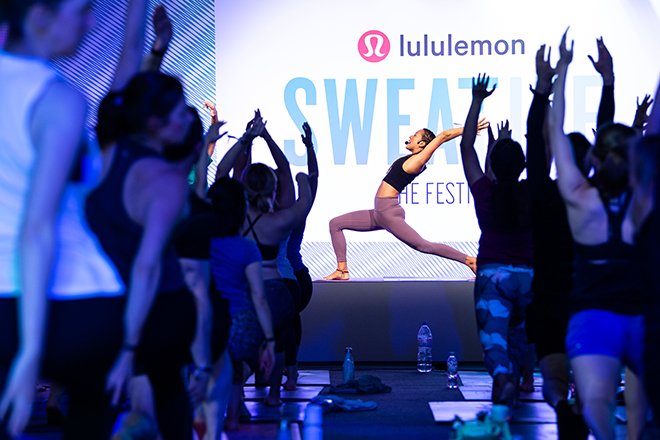
“The Sweat Life” is a good example of how that community thinking translated online. The phrase became the brand’s way of describing an active, wellness-focused lifestyle, and customers use #thesweatlife to share their workouts and fitness milestones. lululemon then curates the best posts and features them across its social accounts, its website, and even its stores. The brand has also used the name for its own content and events, which keeps the idea consistent across channels.
What I find clever is how little it asks of people. Customers were already posting workout photos. lululemon didn’t invent that habit, it simply gave it a name, a hashtag, and a visible reward. Being featured in a store, rather than only online, adds a real-world payoff that’s rarer than a repost.
Worth knowing: because the content comes from existing behavior, it’s cost effective and feels honest, which matters in a category that can slip into unrealistic ideals.
What you can take from it: Look at what your customers already share, then make it easy and rewarding to include your brand. You don’t need to invent a new behavior. Sometimes you just need to give an existing one a home.
10. Nike’s #MambaDay
Nike is probably the most obvious name on this list when it comes to emotional storytelling. Over the years, it has built campaigns around athletes’ personal journeys and perseverance, and tools like the Nike Run Club app have encouraged communities of runners to share their progress. It’s a brand that understands motivation.
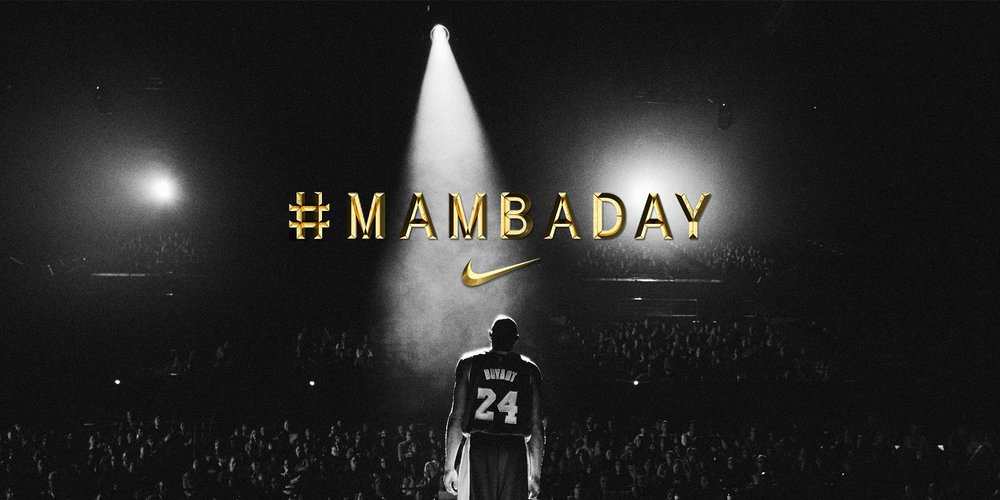
#MambaDay builds on a date and a legacy. August 24 is tied to Kobe Bryant through his two jersey numbers, 8 and 24, and the “Mamba Mentality” he described has become a shorthand for relentless work ethic. Nike has long had a relationship with Kobe, and the date gives fans a natural occasion to share stories, training clips, and tributes.
According to the figures in your notes, the 2025 campaign mobilized over 200 athletes and millions of fans, and Sprout Social’s analysis reported more than 2.2 million impressions with 96% positive sentiment. The hashtag turned each post into a branded message, effectively making millions of real users into brand ambassadors. Nobody needed a giveaway, because the emotion did the work.
I’ll admit it’s a tricky model to copy, since few brands carry that kind of feeling. And there’s a delicate side to it, too. Campaigns built on a person’s legacy need a lot of care, and tone matters as much as reach.
What you can take from it: Emotion can replace incentives. If your audience already cares, your job is to give them a clear, simple way to express it, and a specific moment to do it.
What These Examples Have in Common
After looking at all ten, a few patterns seem to repeat, though not in every case.
Most of them lower the effort required to take part. A hashtag, a simple challenge, or a clear prompt is often all it takes. Most also reward participants somehow, whether with visibility on a billboard, a feature on a product page, or the chance to see an idea become a real product. And nearly all of them build on behavior that already existed, like taking photos, working out, or making jokes, rather than asking people to do something unfamiliar.
There’s one exception worth mentioning. LEGO Ideas asks for a lot more effort from participants than any of the others, and it still works, probably because the payoff is so much bigger. So “keep it easy” is a good rule, but not an absolute one.
How to Start Your Own UGC Campaign?
You don’t need a Nike-sized budget. A few steps are usually enough to get going.
Start by deciding what you want from the campaign: more trust, more sales, more awareness, or something else. That choice affects almost everything after it. Then look at what your audience already does. If they’re posting photos of your product, you may only need a branded hashtag and a bit of encouragement.
Next, give people a reason to participate. That could be a feature on your channels, a small reward, or simply recognition. Make the rules clear and the barrier low. Then curate and share the best content consistently, because people notice when you actually follow through, and they notice when you don’t.
Finally, track what happens. Look at engagement, mentions, sentiment, and any change in sales or traffic. You’ll probably need to adjust along the way, and that’s normal.
You can explore the multiple types of UGC to identify what works best for your audience, from customer reviews and testimonials to photos, videos, and social media posts. Choosing the right format makes it easier to encourage participation and create content that feels authentic.
Final Thoughts
The best user-generated content examples share a simple idea: give people something worth being part of, make it easy, and then show them you noticed. You may not have Apple’s billboards or Nike’s emotional pull, but you almost certainly have customers who are already talking about you somewhere. Pick one example from this list that suits your brand, try a small version of it, and see what comes back. You’ll learn more from a modest first attempt than from planning the perfect campaign.

The Chief Author and Editor at Intothecommerce. As a seasoned expert in digital marketing, I direct the site’s strategic content and ensure every piece meets the highest industry standards. My insights drive our coverage on SEO, paid media, and cutting-edge marketing technology.