Yeah, free SEO tools get you started, but they provide enough functionality to drive initial organic growth, identify basic issues, and validate whether SEO is worth ongoing investment for your business. But as your site grows, competitive pressure increases, and SEO becomes central to your marketing strategy, free tools start showing their limitations.
Usage caps frustrate you constantly. Data depth isn’t sufficient for strategic decisions. Critical features sit behind paywalls. Manual workarounds for missing automation consume hours weekly.
At some point, continuing with free tools becomes more expensive than paying for premium software. Not in subscription costs, but in time wasted, opportunities missed, and competitive disadvantages from inferior intelligence.
The question isn’t whether to eventually use paid SEO tools. It’s which ones justify their costs through genuine value rather than just flashy features you’ll never use.
Here are ten paid search engine optimization (SEO) tools that consistently deliver returns exceeding their subscription costs when used properly, not just marginally better than free alternatives, but genuinely worth the money for serious SEO practitioners.
10 Best Paid SEO Tools to Grow Organically Online
1. Ahrefs – The Backlink Analysis Gold Standard
Ahrefs built its reputation on having the web’s most comprehensive and frequently updated backlink index, and they’ve expanded into a full-featured SEO platform without losing that core strength.
What makes it worth paying for: The backlink database is genuinely superior to alternatives, updating constantly with fresh link discoveries that competitive tools miss. For link building, competitive analysis, and understanding your link profile, Ahrefs simply provides better intelligence.

The Features That Actually Matter
Site Explorer goes far beyond what the free Webmaster Tools version offers. You can research any domain, not just sites you own. Competitor backlink analysis reveals exactly where they’re getting links, which content attracts links, and what anchor text patterns exist. This intelligence is impossible to replicate with free tools.
The link intersect feature identifies sites linking to multiple competitors but not to you. These represent low-hanging fruit sites already linking in your space, demonstrating willingness to link to similar content, but haven’t discovered you yet. This single feature can generate months of outreach targets.
Content Explorer is a search engine for the most linked-to and shared content across billions of pages. Find what’s working in your niche by searching topics and seeing which content attracts the most links and social shares. This competitive content intelligence informs creation of superior content that can capture those same links.
Keyword Explorer provides comprehensive keyword research beyond basic volume and difficulty. You get click metrics showing how much traffic top rankings actually drive (many queries have low click-through because featured snippets or ads capture clicks), keyword difficulty scores, related keyword suggestions, and SERP analysis.
Rank Tracker monitors unlimited keywords across different locations, devices, and search engines. Historical tracking shows exactly how rankings change over time, correlating with algorithm updates, content changes, or competitive movements.
Site Audit crawls your entire site regardless of size, identifying technical issues, monitoring health scores over time, and integrating with Google Analytics and Search Console for comprehensive analysis.
Why It Actually Justifies the Cost
The $99/month starting price isn’t cheap, but the intelligence quality and feature depth exceed free alternatives dramatically enough to justify costs for anyone doing serious SEO work.
Link building becomes dramatically more efficient. Instead of guessing where to pursue links, you have data-driven target lists based on competitor analysis and proven link sources. Time saved on ineffective outreach alone can offset subscription costs.
Content strategy shifts from guesswork to evidence-based decisions. You know what content attracts links and rankings in your space before creating it, reducing wasted effort on content that won’t perform.
The platform consolidates multiple specialized tools into one subscription. You don’t need separate backlink analyzers, keyword tools, rank trackers, and site auditors when Ahrefs covers all comprehensively.
Limitations Worth Knowing
The learning curve is substantial. Ahrefs is powerful but complex. Extracting maximum value requires investing time learning features beyond just running basic reports.
For very small sites or beginners just starting SEO, the cost might exceed budget capacity. The tool provides the most value when you have content to optimize, links to build, and competitors to analyze, in situations where you’re already past initial beginner phases.
Historical data retention depends on plan tier. Lower-cost plans have shorter data histories, limiting long-term trend analysis compared to more expensive subscriptions.
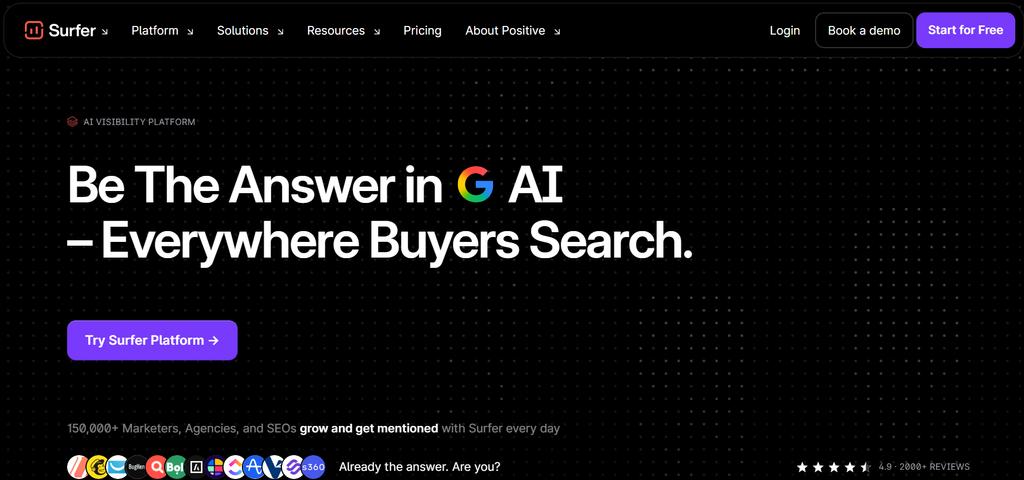
2. Surfer SEO – Content Optimization Powered by Data
Surfer SEO takes a different approach than traditional SEO tools, focusing specifically on helping you create and optimize content that ranks by analyzing what’s already ranking.
What makes it worth paying for: Real-time content optimization guidance based on analyzing top-ranking pages for your target keywords. You’re not guessing what makes content rank; you’re following data about what’s actually working right now.
The Features That Actually Matter
The Content Editor analyzes the top 10-50 results for your target keyword, extracting commonalities about word count, keyword usage, heading structure, image frequency, and content elements. It provides real-time scoring as you write, showing how your content compares to ranking pages.
This goes beyond “use your keyword X times” simplicity. Surfer identifies related terms, topics, and questions top-ranking content covers, helping you create comprehensive content addressing everything searchers want to know rather than narrow keyword-focused articles.
SERP Analyzer provides detailed competitive analysis showing exactly what’s ranking, why it’s ranking based on content and technical factors, and how difficult unseating current results will be. This intelligence informs whether to target keywords or choose easier alternatives.
Content Planner generates content strategy based on topical clusters and semantic relationships. Instead of individual keyword targeting, you build comprehensive topic coverage that establishes authority.
Audit functionality lets you optimize existing content by comparing it against current top-ranking pages, identifying gaps and opportunities for improvement without starting from scratch.
The Outline Builder creates content outlines based on headings and questions from top-ranking content, providing structural frameworks that ensure comprehensive coverage.
Why It Actually Justifies the Cost
At $89/month for basic plans, Surfer is more affordable than comprehensive platforms like Ahrefs while providing specialized content optimization capabilities those platforms don’t match.
Content quality and ranking potential improve measurably. Instead of hoping your content is thorough enough, you have data confirming you’ve covered topics as comprehensively as top-ranking competitors.
Time to ranking often decreases. Content optimized during creation based on what’s currently ranking performs better faster than content created without this intelligence then optimized later after poor performance.
Writer collaboration becomes easier. The Content Editor provides clear guidelines for freelance writers or team members, ensuring consistent optimization without requiring everyone to be SEO experts.
Limitations Worth Knowing
The tool is very content-focused. If your primary SEO needs are technical audits, link building, or keyword research for PPC, Surfer doesn’t address those needs. It’s specialized for content creation and optimization.
Following Surfer’s recommendations too rigidly can create over-optimized content that reads awkwardly. The guidance should inform writing, not mechanically dictate it. Human judgment about readability and user value should override perfect scores.
Keyword limits on lower-tier plans restrict how many pieces you can optimize monthly. Heavy content producers quickly hit caps requiring expensive plan upgrades.
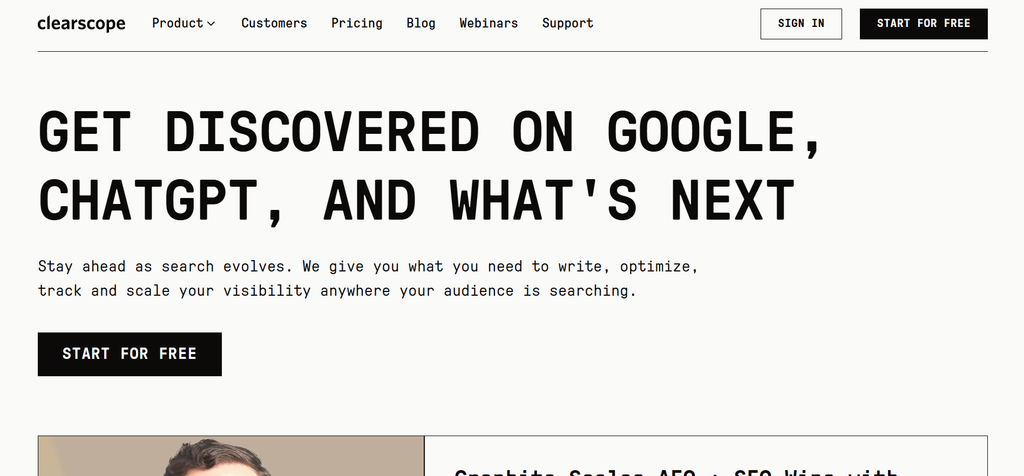
3. Clearscope – Editorial SEO for Content Teams
Clearscope positions itself as content optimization for editorial teams, providing SEO guidance accessible to writers without SEO expertise.
What makes it worth paying for: The balance between sophisticated SEO analysis and writer-friendly interface makes it valuable for content teams where non-SEO specialists create most content.
The Features That Actually Matter
Content optimization reports analyze top-ranking content for target keywords, identifying related terms, concepts, and questions that comprehensive coverage should address. The presentation emphasizes writing quality over technical SEO mechanics.
Grade scoring provides simple feedback about content completeness and optimization. Writers understand whether content is comprehensive without needing to interpret complex SEO metrics.
Competitor content analysis shows exactly what top-ranking articles cover, how they structure information, and what makes them successful. This competitive intelligence informs superior content creation without directly copying.
Integration with Google Docs and WordPress allows optimization directly in familiar writing environments rather than requiring separate tools or platforms that disrupt workflow.
Content inventory management helps track what content exists, what’s performing, what needs updates, and where gaps exist in topical coverage. This overview prevents duplicate coverage while identifying content opportunities.
Why It Actually Justifies the Cost
At $170+/month, Clearscope is expensive compared to alternatives, but provides value through ease of use and content quality improvements for non-SEO writers.
Freelance writer coordination becomes dramatically easier. Providing Clearscope reports to writers ensures consistent optimization without extensive briefing or back-and-forth about SEO requirements.
Content quality improves across teams. Everyone has access to the same competitive intelligence and optimization guidance rather than quality varying based on individual SEO knowledge.
Time savings from workflow integration offset costs for teams producing substantial content volumes. The efficiency of optimizing during writing rather than requiring separate optimization phases adds up quickly.
Limitations Worth Knowing
The price point is prohibitive for solopreneurs or small businesses. Unless you’re producing significant content volume or coordinating multiple writers, the costs likely exceed value delivered.
Feature set is narrower than comprehensive SEO platforms. Clearscope excels at content optimization but doesn’t handle technical SEO, link building, keyword research, or rank tracking. You need other tools for complete SEO coverage.
The simplified interface trades power for accessibility. Advanced SEO practitioners might find limitations frustrating compared to more technical tools offering granular control.
4. SpyFu – Competitive Intelligence Specialist
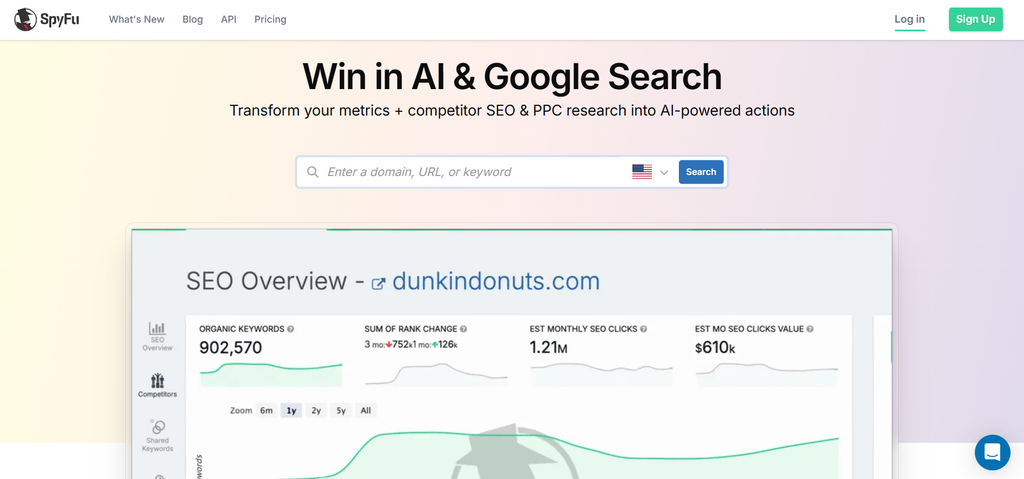
SpyFu focuses specifically on competitor research, revealing exactly what keywords competitors rank for, what ads they run, and how their search visibility has changed over years.
What makes it worth paying for: The historical data going back over a decade lets you see exactly how competitors have evolved their SEO and PPC strategies over time intelligence impossible to gather from current snapshots alone.
The Features That Actually Matter
Competitor keyword discovery shows every keyword competitors rank for organically and bid on in paid search. You can reverse-engineer their entire search strategy by analyzing which keywords they prioritize and how those priorities have shifted.
Backlink analysis reveals competitor link profiles with unusual depth of historical data. See which links they’ve gained and lost over years, identifying link building patterns and opportunities.
PPC research shows competitor ad copy, ad budgets, bidding strategies, and historical ad performance. This intelligence informs your own paid search while revealing how competitors balance organic and paid search investments.
Keyword overlap analysis identifies keywords multiple competitors rank for, signaling high-value terms worth targeting in your own strategy.
Domain comparison puts your metrics directly alongside competitors, making relative performance instantly visible rather than requiring manual analysis of separate reports.
SEO templates provide proven keyword and content strategies based on successful competitors, creating frameworks you can adapt rather than building strategies from scratch.
Why It Actually Justifies the Cost
Starting at $39/month, SpyFu is remarkably affordable for the competitive intelligence depth provided. The historical data alone justifies costs for competitive markets.
Competitive strategy becomes transparent. Instead of guessing what competitors prioritize, you see exactly where they invest effort and budget, informing your own strategic decisions.
Entry into new markets or niches becomes faster. Analyzing established competitors reveals what works rather than experimenting blindly with untested approaches.
The combined organic and paid search intelligence shows complete search strategies, revealing how successful competitors balance SEO and PPC rather than treating them as separate channels.
Limitations Worth Knowing
The tool focuses almost exclusively on competitive research. If you need technical audits, content optimization, or comprehensive keyword research beyond competitive analysis, you’ll need additional tools.
Data accuracy can vary, particularly for estimated traffic and ad spend figures. Treat estimates as directional intelligence rather than precise metrics for important decisions.
The interface feels dated compared to sleeker modern tools. Functionality matters more than aesthetics, but the user experience trails competitors.
5. Sitebulb – Desktop SEO Auditing Excellence
Sitebulb is a desktop website auditor providing technical SEO analysis with exceptional depth and clarity.
What makes it worth paying for: The visualization of complex technical issues and prioritization of fixes based on impact makes technical SEO accessible even for people without deep technical backgrounds.
The Features That Actually Matter
Site crawling analyzes every URL on your site, identifying technical issues, broken links, redirect chains, duplicate content, and hundreds of potential SEO problems. The depth exceeds most online auditing tools.
Visual reports present complex technical data through charts, graphs, and visual representations that make patterns and priorities obvious. Instead of overwhelming spreadsheets, you get interpretable insights about what matters most.
Hint prioritization ranks issues by likely impact, helping focus effort on fixes that actually move the needle rather than treating all issues as equally important.
Custom crawl configurations let you audit exactly what matters in staging environments, specific sections, and mobile versus desktop versions with granular control over what gets analyzed and how.
Chrome Lighthouse integration combines Sitebulb’s technical auditing with Google’s performance, accessibility, and best practice checks in unified reports showing complete site health.
Historical comparisons track how site health changes over time, connecting improvements or deteriorations to specific changes or updates you’ve implemented.
Why It Actually Justifies the Cost
At $35-$55/month depending on site size, Sitebulb is remarkably affordable for professional-grade technical auditing. The one-time purchase option eliminates ongoing subscription costs entirely.
Technical SEO becomes approachable. The visualizations and explanations help non-technical people understand issues and fixes without requiring developer expertise for interpretation.
Audit quality exceeds free tools significantly. The depth of analysis and clarity of recommendations make audits genuinely actionable rather than just generating overwhelming issue lists.
The desktop application is fast and stable, processing sites much more quickly than online alternatives while providing more reliable results.
Limitations Worth Knowing
It’s desktop software requiring installation rather than cloud-based access from anywhere. You need to run audits from specific computers rather than accessing reports from any device.
The learning curve exists despite user-friendly design. Extracting maximum value requires understanding technical SEO concepts beyond just running scans and reading reports.
Ongoing monitoring requires scheduling regular manual audits. Unlike always-on cloud solutions, you decide when to crawl rather than having continuous monitoring.
6. Moz Pro – All-in-One SEO Platform
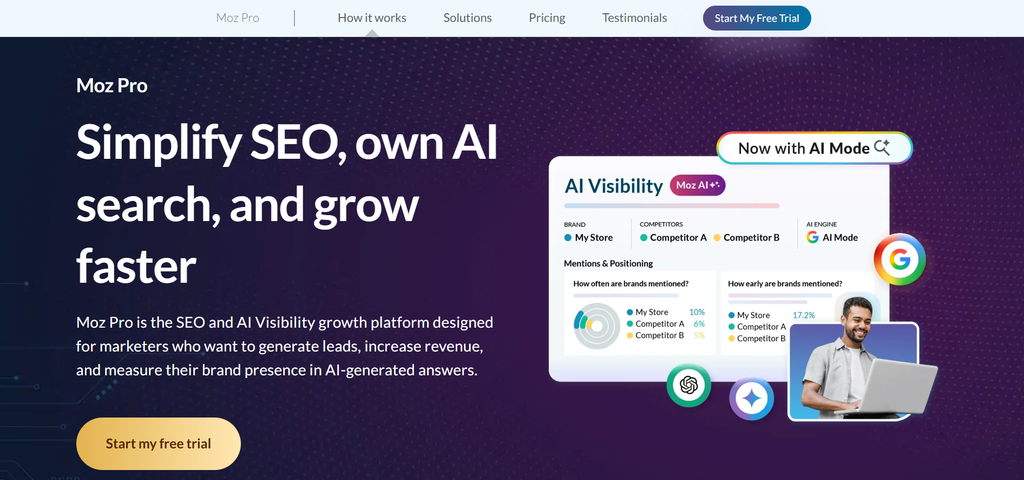
Moz Pro provides comprehensive SEO capabilities including keyword research, rank tracking, site auditing, and backlink analysis in one integrated platform.
What makes it worth paying for: The combination of solid functionality across all SEO dimensions with exceptional educational resources makes Moz valuable particularly for growing teams building SEO expertise.
The Features That Actually Matter
Keyword Explorer provides search volume, difficulty scores, organic CTR estimates, and priority scores that balance all factors into single recommendations about keyword value. The SERP analysis shows exactly what’s ranking and why.
Rank Tracker monitors unlimited keywords across locations, showing ranking changes, visibility trends, and competitive movements. Automated reporting keeps stakeholders informed without manual report generation.
Link Explorer analyzes backlink profiles for your site and competitors, including Moz’s proprietary Domain Authority and Page Authority metrics that have become industry standards for discussing site strength.
Site Crawl audits your website for technical issues, tracking site health over time and alerting to new problems as they emerge. The integration with other Moz tools provides context about how technical issues affect rankings and visibility.
On-Page Grader evaluates individual page optimization for target keywords, providing specific recommendations for improvements that increase ranking potential.
The Moz Academy educational resources teach SEO fundamentals and advanced tactics, making the subscription valuable beyond just software access for teams building capabilities.
Why It Actually Justifies the Cost
At $99/month starting price, Moz Pro is competitively priced against alternatives while providing distinctive value through education and community.
The learning resources are genuinely valuable. Teams without deep SEO expertise can build skills while using tools, accelerating capability development.
Industry standard metrics like Domain Authority provide common language for discussing SEO with clients, stakeholders, and partners who recognize and understand these measurements.
The platform consolidates multiple SEO needs into one subscription rather than requiring separate specialized tools for each function.
Limitations Worth Knowing
Individual features may not be best-in-class compared to specialized alternatives. Ahrefs has better backlink data. Surfer has better content optimization. Sitebulb has deeper technical auditing.
The link index is smaller than Ahrefs or Majestic, potentially missing backlinks particularly for newer or less popular sites. Cross-referencing with other tools reveals gaps.
The platform feels comprehensive but not exceptional in any single dimension, making it potentially less appealing for experts who need the absolute best tools in specific areas.
7. Majestic SEO – Link Intelligence Depth
Majestic specializes in backlink analysis with proprietary metrics and massive historical link data going back over a decade.
What makes it worth paying for: The Trust Flow and Citation Flow metrics provide nuanced link quality assessment beyond simple link counts, and the historical index reveals link building patterns over years.
The Features That Actually Matter
Site Explorer shows comprehensive backlink data, including Majestic’s unique metrics Trust Flow (link quality based on proximity to trusted seed sites) and Citation Flow (link quantity). These paired metrics help identify natural versus spammy link profiles.
Topical Trust Flow categorizes linking domains by topic, showing whether your links come from contextually relevant sources or scattered irrelevant sites. Relevance matters for link value.
Historic Index provides backlink data going back over a decade, showing exactly how link profiles have evolved. This historical perspective reveals patterns impossible to see in current snapshots.
Bulk Backlink Checker lets you analyze multiple domains or URLs simultaneously, enabling efficient competitive comparisons or portfolio analysis.
Clique Hunter identifies sites that commonly link together, helping discover link neighborhoods and potential link building opportunities within connected communities.
Link Context shows the actual anchor text and surrounding content where links appear, providing context about link relevance and naturalness.
Why It Actually Justifies the Cost
At $49.99/month for basic plans, Majestic is affordable for specialized backlink intelligence complementing broader SEO platforms.
The historical data is genuinely unique. No other tool provides comparable depth of historical backlink information over such extensive timescales.
Trust Flow and Citation Flow provide different perspectives on link quality than Domain Authority or Domain Rating from competing tools. Multiple quality metrics help make more informed link building decisions.
The topical categorization helps assess link relevance in ways simple domain metrics can’t capture, improving link opportunity evaluation.
Limitations Worth Knowing
Majestic focuses exclusively on link analysis. You’ll need other tools for keyword research, technical audits, content optimization, and rank tracking.
The interface feels dated compared to sleeker modern digital marketing tools. Functionality is solid, but the user experience trails competitors’.
Fresh index updates less frequently than Ahrefs, potentially showing slightly outdated backlink data for very recent link changes.
The tool serves specialist needs. For comprehensive SEO work, it’s a supplement to broader platforms rather than standalone solution.
8. BrightEdge – Enterprise SEO Platform
BrightEdge positions itself as enterprise-grade SEO software providing capabilities scaled for large organizations managing complex SEO across multiple sites, regions, and teams.
What makes it worth paying for: The workflow management, reporting, and collaboration features make SEO manageable at scale where individual practitioners or small teams would be overwhelmed.
The Features That Actually Matter
Data Cube provides comprehensive keyword and search intelligence across millions of keywords, tracking rankings, visibility, and opportunities at scale impossible with tools designed for smaller operations.
ContentIQ analyzes content performance across your site, identifying what’s working, what needs improvement, and where opportunities exist for new content creation or optimization.
Share of Voice tracking shows your visibility compared to competitors across your keyword universe, providing high-level metrics that executives understand without requiring SEO expertise.
Recommendations Engine prioritizes SEO opportunities based on potential impact, helping teams focus on highest-value work rather than getting lost in endless optimization possibilities.
Workflow management and task assignment transforms SEO from individual work into collaborative team efforts with clear ownership, deadlines, and accountability.
Integration with CMS platforms, analytics tools, and marketing software creates unified workflows where SEO integrates into content creation and publishing processes rather than being bolted on afterward.
Why It Actually Justifies the Cost
Pricing is custom and expensive, typically thousands monthly, but provides value for enterprises where SEO drives substantial revenue and multiple teams need coordination.
The scale capabilities are unmatched. Managing SEO across dozens or hundreds of sites, thousands of keywords, and multiple regions becomes practical where manual processes or smaller tools would collapse.
Executive reporting makes SEO progress and value visible to stakeholders who need high-level metrics rather than granular SEO details.
The workflow and collaboration features prevent SEO from becoming bottlenecked on individual specialists, distributing work across teams effectively.
Limitations Worth Knowing
The price point excludes small businesses and individual practitioners entirely. This is explicitly enterprise software with enterprise pricing.
The learning curve and implementation complexity require dedicated resources. You’re not just buying software; you’re implementing SEO infrastructure requiring training and process changes.
Smaller organizations find feature depth overwhelming rather than helpful. Many capabilities address enterprise-specific challenges irrelevant to smaller operations.
9. Advanced Web Ranking – Focused Rank Tracking
Advanced Web Ranking specializes in rank tracking with exceptional depth, accuracy, and flexibility for agencies and enterprises needing comprehensive ranking intelligence.
What makes it worth paying for: The granular tracking across search engines, locations, devices, and languages provides ranking intelligence precision that general-purpose SEO platforms can’t match.
The Features That Actually Matter
Rank tracking monitors unlimited keywords across over 4,000 search engines including Google, Bing, Yahoo, Baidu, Yandex, and countless localized versions. The breadth of coverage is unmatched.
Local ranking tracking shows positions in specific cities or regions, not just countries. For local SEO, this granularity reveals how visibility varies across geographic markets.
Mobile versus desktop tracking shows separate rankings for each, reflecting how mobile-first indexing and different SERP features affect visibility across devices.
SERP feature tracking monitors whether you’re appearing in featured snippets, local packs, knowledge panels, and other special result types that capture clicks above traditional organic listings.
Competitor comparison tracking shows your rankings directly alongside competitors for all tracked keywords, making relative performance instantly visible.
White-label reporting generates professional client reports with custom branding, essential for agencies presenting ranking data to multiple clients.
Why It Actually Justifies the Cost
At $49+/month depending on tracked keywords and features, Advanced Web Ranking is competitively priced for the ranking intelligence depth provided.
The accuracy and update frequency exceed simpler rank tracking tools. You’re getting reliable data updated frequently enough to catch ranking movements as they happen.
For agencies managing multiple clients, the white-label reporting and multi-account management features provide efficiency impossible with tools lacking these capabilities.
International and multi-language SEO becomes practical with native support for tracking across global search engines and localized rankings.
Limitations Worth Knowing
The tool focuses exclusively on rank tracking. You need other solutions for technical audits, keyword research, backlink analysis, and content optimization.
The feature depth can overwhelm users who just need basic rank tracking. The granularity and options are valuable for specialists but potentially excessive for simpler needs.
Historical data retention depends on plan tier. Longer data histories for trend analysis require higher-cost subscriptions.
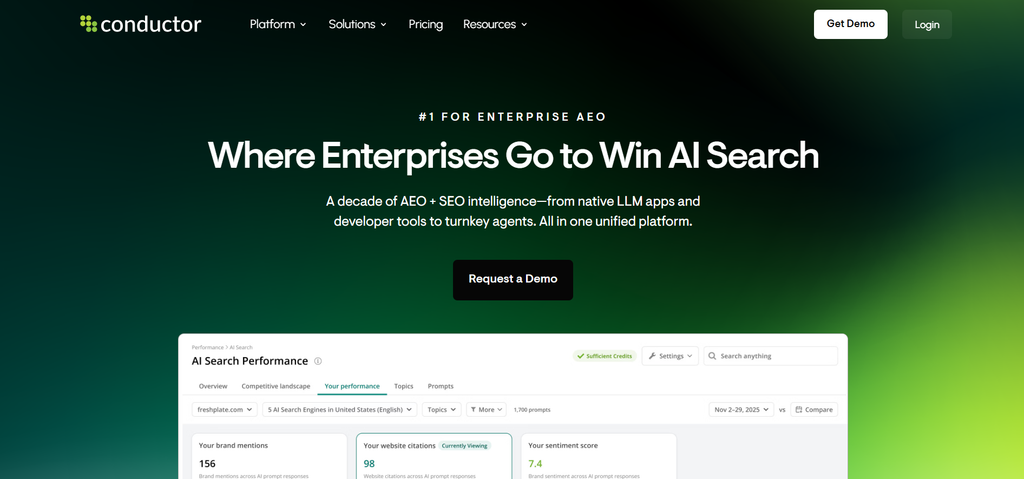
10. Conductor – Organic Marketing Platform
Conductor positions itself as an organic marketing platform rather than just SEO software, providing capabilities spanning SEO, content marketing, and organic growth strategy.
What makes it worth paying for: The integration of SEO with broader content strategy and the focus on proving organic marketing ROI makes it valuable for organizations needing to justify and scale organic investment.
The Features That Actually Matter
Keyword intelligence provides comprehensive research and tracking across your keyword universe, identifying opportunities and tracking performance at scale.
Content fusion connects content creation directly to SEO intelligence, ensuring content targets validated opportunities rather than being created based on assumptions.
Competitive insights reveal how competitors approach organic marketing, what content they create, and how their organic visibility changes over time.
Traffic forecasting projects potential organic traffic from ranking improvements, helping prioritize optimization work based on likely business impact.
ROI reporting connects organic marketing efforts to business outcomes, tracking conversions, revenue, and return on investment from SEO and content initiatives.
Integration with marketing and analytics platforms creates unified workflows where organic marketing connects to broader marketing strategies rather than operating in isolation.
Why It Actually Justifies the Cost
Pricing is enterprise-level, typically thousands monthly, but provides value for organizations where organic marketing is a strategic priority requiring sophisticated management.
The business focus differentiates Conductor from technical SEO tools. The platform speaks the language of marketing ROI and business outcomes rather than just SEO metrics.
Content marketing teams find particular value in the integration of content strategy with SEO intelligence, ensuring alignment between content creation and organic opportunity.
The forecasting and ROI capabilities help justify organic marketing investment to executives and stakeholders who need business cases rather than technical explanations.
Limitations Worth Knowing
The platform serves marketing teams and enterprises, not individual SEO practitioners. Solo consultants or small agencies find limited value relative to costs.
Technical SEO capabilities may not match specialized technical audit tools. The platform emphasizes strategy and content over deep technical optimization.
Implementation and onboarding are substantial. You’re adopting platform infrastructure, not just buying software access, requiring organizational commitment.
Conclusion – Choosing Tools Worth the Investment
Not every business needs all ten tools. Most need careful combination based on specific priorities and budget realities.
Start by identifying your primary SEO needs. If link building is critical, invest in Ahrefs or Majestic. If content creation drives your strategy, prioritize Surfer or Clearscope. If technical SEO is your focus, Sitebulb delivers specialized value.
Consider whether you need comprehensive platforms or specialized tools. Moz Pro or Ahrefs provide breadth across multiple SEO dimensions. Surfer or SpyFu excel in specific areas but require supplements for complete coverage.
Evaluate costs against actual usage and value delivered. A $200/month tool you use daily to drive strategy and improvements justifies costs better than a $50/month tool you barely use because it doesn’t fit your workflow.
Most successful SEO operations combine tools strategically, perhaps Ahrefs for backlinks and competitive analysis, Surfer for content optimization, and Sitebulb for technical audits. The combination provides comprehensive capabilities while avoiding redundant subscriptions for features you won’t use.
The right paid tools transform SEO from time-consuming manual work into strategic data-driven growth. They’re investments in efficiency, intelligence, and competitive advantage that pay for themselves through time saved and opportunities captured.
Choose based on your specific situation, not generic recommendations. The best tool is the one that solves your particular challenges well enough that the subscription becomes obviously worthwhile within weeks of starting to use it properly.

The Chief Author and Editor at Intothecommerce. As a seasoned expert in digital marketing, I direct the site’s strategic content and ensure every piece meets the highest industry standards. My insights drive our coverage on SEO, paid media, and cutting-edge marketing technology.


4 thoughts on “Top 10 Paid SEO Tools That Are Worth the Money You Pay”
Good work so far. Keep doing it, Haribabu.
Hi,
Romano from Germany. It is important to prepare a list clearly in a nonnegotiable way, and you did that with many careful considerations.
As if it is from a reputable blogger like yours, I still find and choose to read and analyze the topics I know and combine knowledge with a practical understanding of each case in marketing. Personalized tool suggestions are what help those who are in need of them.
Hey, this is Sam. I’m totally convinced by whatever you said, not because I read it, but because I asked AI about it.